weHow does salt air affect your AC is a common and important question for Maui homeowners, especially those living near the ocean. Salt air speeds up wear on air conditioning systems by causing corrosion, reducing efficiency, and shortening equipment life. At Certified Air, we see salt-related damage every day. Understanding how it happens–and how to prevent it–can save you thousands over time.
Join us as we go over first, how salt air affects your AC and second, what you can do to prevent problems.
Part 1: How Does Salt Air Affect Your AC?
What Is Salt Air and Why Does It Matter?
Salt air forms when ocean spray evaporates and leaves microscopic salt particles in the air. On Maui, these particles travel far inland. Even homes miles from the shoreline are affected.
Salt sticks to metal surfaces. Once it settles, it attracts moisture. That combination causes corrosion fast.
Air conditioners are full of metal parts. That makes them especially vulnerable.
How Does Salt Air Cause Corrosion in AC Systems?
Corrosion is the biggest issue we see. Salt speeds up oxidation, which eats away at metal parts.
The most common areas affected are:
- Outdoor condenser coils
- Aluminum fins
- Copper refrigerant lines
- Electrical connections
- Mounting brackets and fasteners
Once corrosion starts, it does not stop on its own. It spreads.
Corroded parts weaken. Efficiency drops. Eventually, parts fail.
How Does Salt Air Reduce AC Efficiency?
When coils corrode, they cannot transfer heat properly. That forces the system to work harder to cool the same space.
Here’s what happens next:
- Cooling takes longer
- The system runs more often
- Energy use increases
- Monthly power bills rise
Many homeowners think this is normal aging. It’s not. Salt damage accelerates the process.

Can Salt Air Cause Refrigerant Leaks?
Yes. This is one of the most expensive problems we see.
Salt corrosion can create tiny holes in copper lines and coils. These pinhole leaks slowly release refrigerant.
Signs of refrigerant loss include:
- Warm air from vents
- Longer cooling cycles
- Ice buildup on coils
- Higher energy bills
Refrigerant leaks often require coil replacement. That cost adds up quickly.
How Does Salt Air Affect Electrical Components?
Salt air does not just attack metal tubing. It also damages electrical parts.
Salt and moisture can corrode:
- Contactors
- Capacitors
- Circuit boards
- Wiring connections
This leads to intermittent failures. Systems may stop working randomly or fail during peak heat.
Electrical corrosion is one of the hardest issues to spot without proper inspection.
Does Salt Air Shorten AC Lifespan?
Yes. In coastal areas, AC systems often fail years earlier than expected.
A unit rated to last 15 years may only last 8–10 years without protection. Sometimes less.
Salt exposure is one of the main reasons Maui systems age faster than mainland systems.
Part 2: How Can You Prevent Salt Air Damage to Your AC?
Now we know the answer to “How does salt air affect your AC?” Let’s talk about ways to prevent that damage.
Can Regular Maintenance Reduce Salt Damage?
Yes. Maintenance is the first and most important defense.
Regular service helps by:
- Removing salt buildup
- Catching corrosion early
- Cleaning coils before damage spreads
- Protecting electrical connections
Annual maintenance is the minimum. Coastal homes often benefit from twice-yearly service.
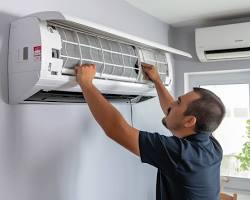
How Does Coil Cleaning Help?
Salt settles directly on outdoor coils. If it stays there, corrosion accelerates.
Professional coil cleaning removes:
- Salt residue
- Dirt and debris
- Moisture-trapping buildup
Clean coils cool better and last longer. This single step makes a major difference on Maui.
Should You Rinse Your Outdoor Unit?
Yes, but it must be done correctly.
Light rinsing with fresh water helps remove surface salt. This works best for homes close to the ocean.
Important tips:
- Use low water pressure
- Do not use chemicals unless approved
- Never spray electrical components
- Rinse from the inside out if possible
We can show homeowners how to do this safely.
Do Protective Coatings Work?
Yes. Protective coil coatings add a barrier between metal and salt air.
These coatings:
- Slow corrosion
- Extend coil life
- Improve long-term reliability
Not every system needs coating, but coastal homes benefit the most.
Does AC Placement Matter?
Yes. Where your outdoor unit sits matters more than people think.
Better placement includes:
- Away from direct ocean spray
- Elevated off the ground
- Clear of plants and sprinklers
- Positioned for good airflow
Relocating a unit slightly can reduce exposure and extend system life.
How Do Air Filters Help With Salt Air?
While filters do not stop salt outside, they protect indoor components.
Clean filters help by:
- Improving airflow
- Reducing moisture buildup
- Protecting indoor coils
- Preventing system strain
Filters should be checked every 1–3 months in Maui homes.
Can Upgrading Equipment Help?
Yes. Some systems are built to handle coastal conditions better than others.
Features to look for include:
- Corrosion-resistant coils
- Coastal-rated components
- Sealed electrical housings
- Higher-quality metals
At Certified Air, we recommend systems that match Maui’s environment, not mainland assumptions.
How Often Should Coastal AC Systems Be Inspected?
For homes near the ocean:
- Visual checks every few months
- Professional service at least once a year
- Twice a year for heavy salt exposure
Early detection saves money. Waiting always costs more.
Why Certified Air Focuses on Salt Air Protection
We live on Maui and work on coastal systems every day. We understand how salt air affects AC equipment because we see the damage firsthand. Our approach focuses on prevention, honest advice, and long-term reliability.
How does salt air affect your AC is not just a question. It’s a reality of island living. With proper care, smart maintenance, and the right equipment, your AC can survive–and perform well–in Maui’s coastal environment.
Certified Air is here to help you protect your comfort and your investment.